Dead Tree Removal in Allentown, PA
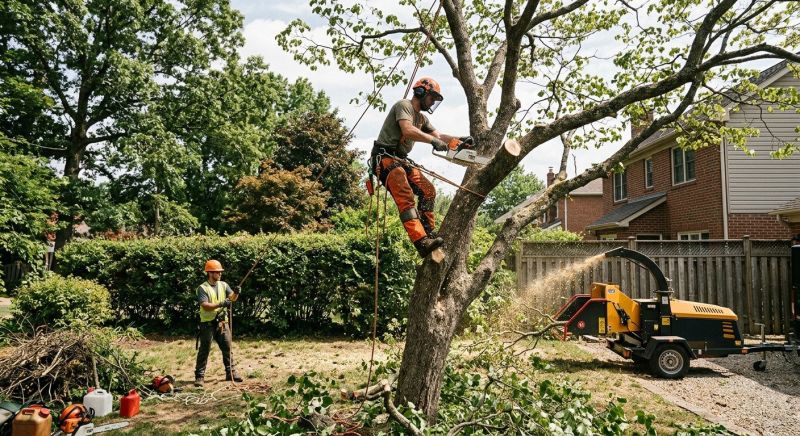
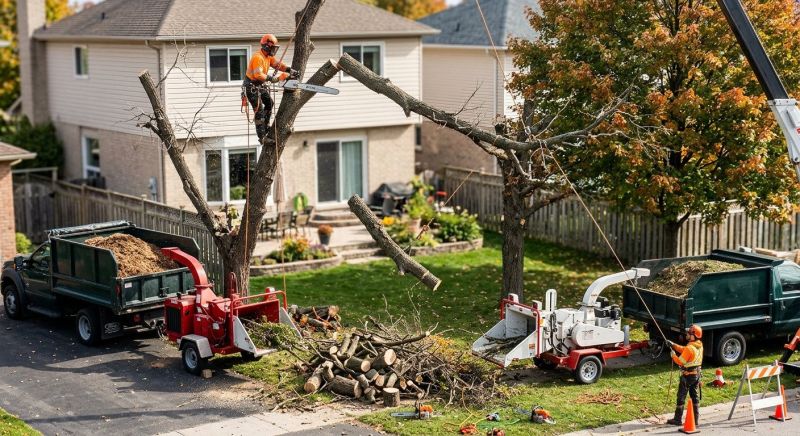
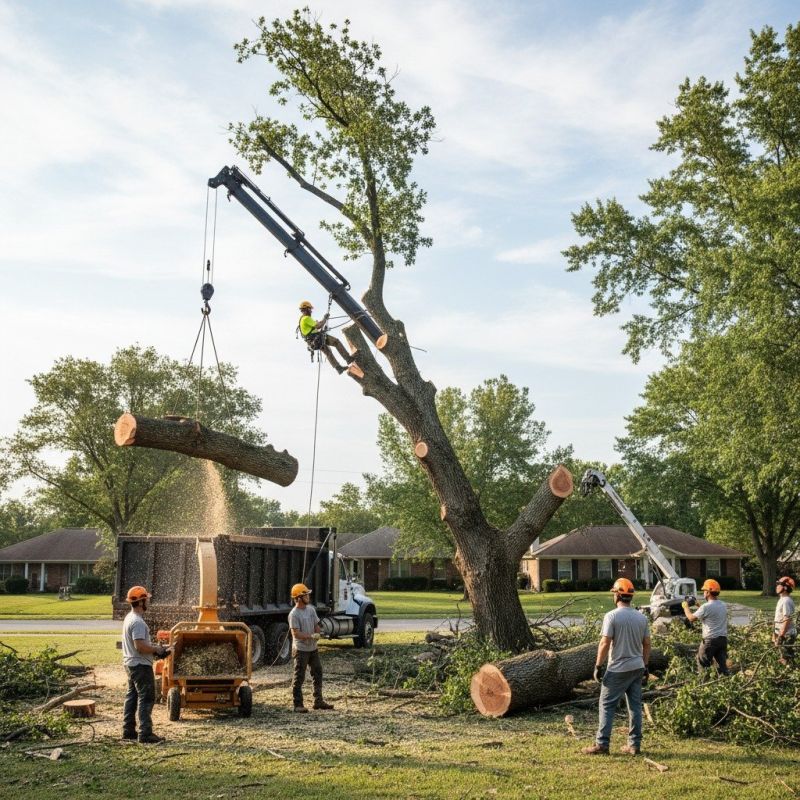
Dead tree removal services involve safely eliminating trees that are dead, decaying, or pose a risk to the property. This process typically includes assessing the tree’s stability, planning a safe removal method, and carefully dismantling or extracting the tree to prevent damage to surrounding structures, landscaping, or utility lines. Projects often requested include removing hazardous trees near homes, clearing fallen or broken branches, and managing overgrown or dying trees that threaten safety or aesthetic appeal.
Property owners considering dead tree removal usually want to understand the scope of work involved, potential impact on their landscape, and any necessary preparations before the work begins. It’s important to evaluate whether the tree’s location, size, and condition require special equipment or techniques, and to consider how the removal might affect nearby plants or structures. Proper planning ensures the process is safe, efficient, and minimizes disruption to the property.
Many property owners in Allentown, PA look into Dead Tree Removal for repairs, replacements, upgrades, and appearance-related improvements.
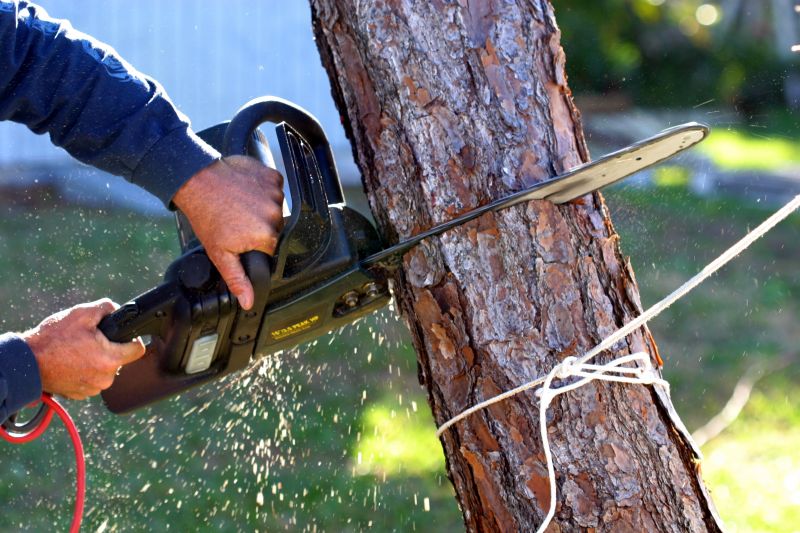
Reasons For Dead Tree Removal
Removing dead trees helps prevent property damage and safety hazards around allentown homes.
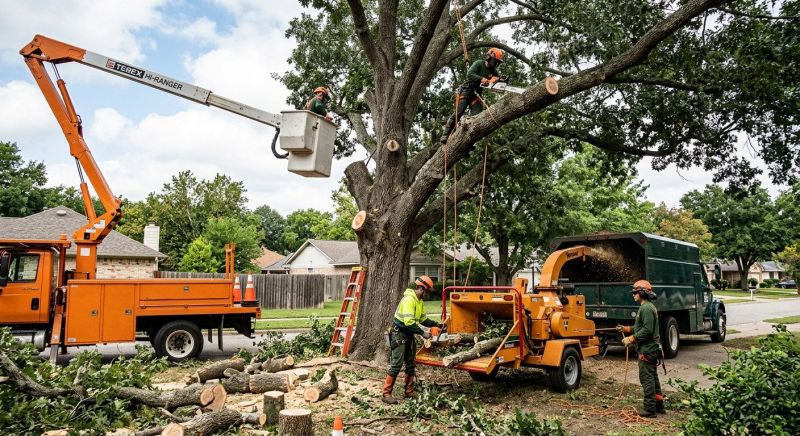
Signs A Tree Needs Removal
Indicators include dead branches, leaning trunks, and visible decay, which can threaten nearby structures.
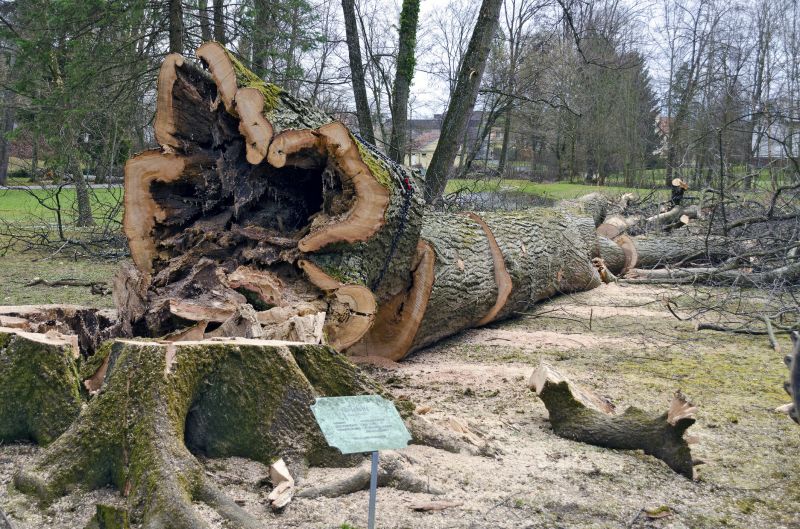
Benefits Of Tree Removal
Removing hazardous trees improves landscape safety and allows for future planting opportunities on your property.
Dead Tree Removal in Allentown, PA
Dead tree removal services involve safely eliminating trees that are dead, decaying, or pose a risk to the property. This process typically includes assessing the tree’s stability, planning a safe removal method, and carefully dismantling or extracting the tree to prevent damage to surrounding structures, landscaping, or utility lines. Projects often requested include removing hazardous trees near homes, clearing fallen or broken branches, and managing overgrown or dying trees that threaten safety or aesthetic appeal.
Property owners considering dead tree removal usually want to understand the scope of work involved, potential impact on their landscape, and any necessary preparations before the work begins. It’s important to evaluate whether the tree’s location, size, and condition require special equipment or techniques, and to consider how the removal might affect nearby plants or structures. Proper planning ensures the process is safe, efficient, and minimizes disruption to the property.
Many property owners in Allentown, PA look into Dead Tree Removal for repairs, replacements, upgrades, and appearance-related improvements.
Common Dead Tree Removal Jobs
Dead tree removal - safely eliminates hazardous or decayed trees from residential properties.
Stump grinding - removes remaining tree stumps to prevent pest infestations and improve yard appearance.
Emergency tree removal - addresses urgent situations involving fallen or unstable dead trees.
Selective tree removal - removes specific dead or dying trees without affecting surrounding landscape.
Storm damage cleanup - clears dead trees and branches caused by severe weather events.
Tree health assessment - evaluates the condition of dead or dying trees to determine removal needs.
Dead Tree Removal Questions
When is dead tree removal necessary? Dead trees may need removal if they pose a risk of falling, show signs of decay, or are causing damage to nearby structures.
What signs indicate a tree is dead? Lack of leaves, brittle branches, and visible decay or fungal growth are common indicators of a dead tree.
How does dead tree removal impact property safety? Removing dead trees reduces the risk of falling limbs or the entire tree causing damage or injury.
Is it better to remove a dead tree or leave it standing? Removing a dead tree is generally safer and prevents potential hazards, especially near homes or walkways.
Request Dead Tree Removal in Allentown, PA
Use the quote form on this page to share the basics of your project and request more information for the type of work you need.