Dead Tree Removal in Bucks County, PA
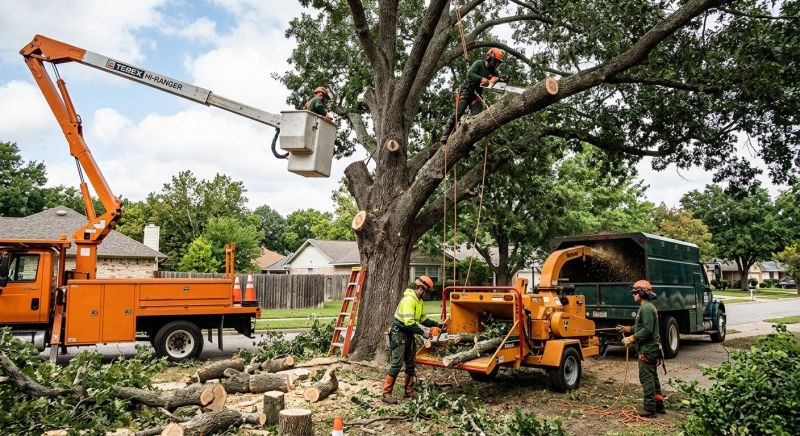
Dead tree removal services involve the safe and efficient removal of trees that are dead, decaying, or pose a risk to nearby structures and landscapes. This type of work typically covers projects such as removing hazardous trees near homes, clearing fallen or broken branches, and eliminating trees that are diseased or no longer healthy. Property owners often seek this service to prevent potential damage from falling limbs, to improve the safety of their outdoor spaces, or to prepare a site for landscaping or construction.
Before requesting dead tree removal, property owners should consider the location of the tree, its size, and the potential impact on surrounding structures or utilities. It is also helpful to understand whether the tree is entirely dead or if it may be salvageable through other means. Clear communication about the specific concerns and the overall condition of the tree can help ensure the project is completed safely and effectively.
Many property owners in Bucks County, PA look into Dead Tree Removal for repairs, replacements, upgrades, and appearance-related improvements.
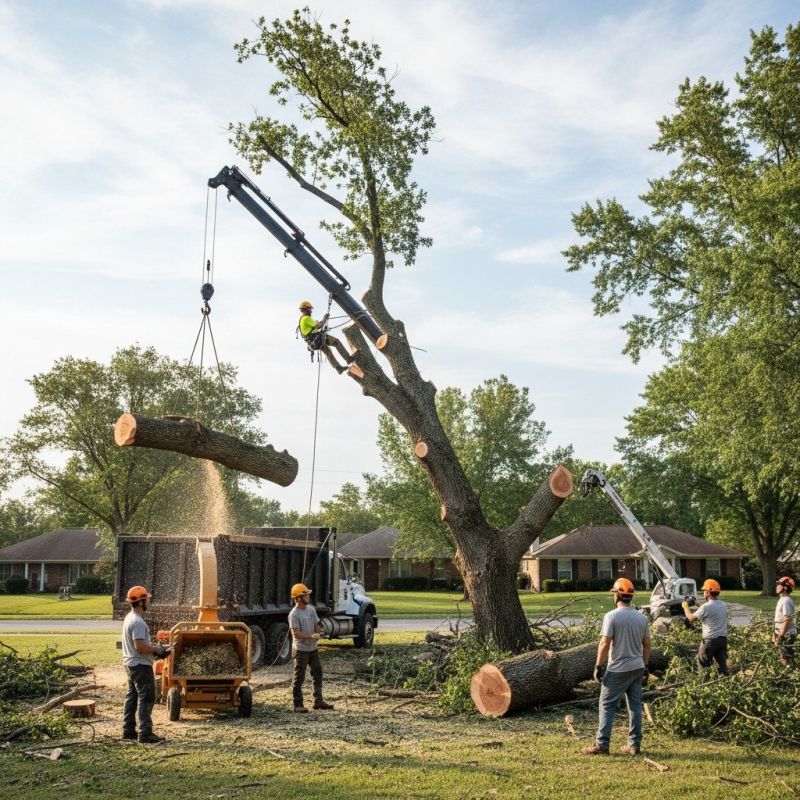
Reasons For Dead Tree Removal
Removing dead trees helps maintain the safety and appearance of residential and commercial properties in bucks county.
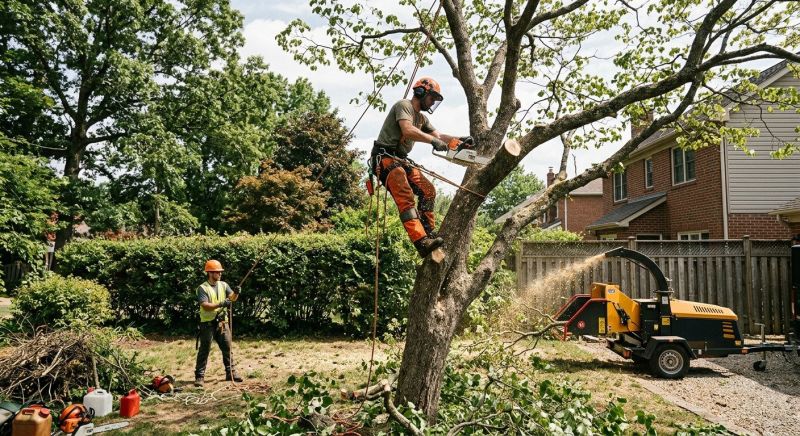
Signs A Tree Needs Removal
Indicators include dead branches, leaning trunks, and visible decay, which can pose hazards to nearby structures and people.
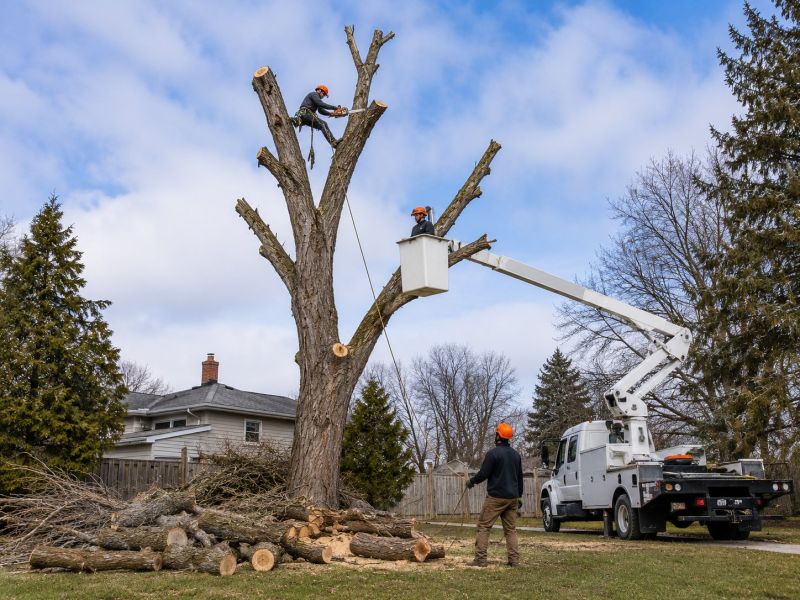
Benefits Of Professional Removal
Expert dead tree removal prevents damage to surrounding landscapes and ensures safe, efficient clearance for property owners.
Dead Tree Removal in Bucks County, PA
Dead tree removal services involve the safe and efficient removal of trees that are dead, decaying, or pose a risk to nearby structures and landscapes. This type of work typically covers projects such as removing hazardous trees near homes, clearing fallen or broken branches, and eliminating trees that are diseased or no longer healthy. Property owners often seek this service to prevent potential damage from falling limbs, to improve the safety of their outdoor spaces, or to prepare a site for landscaping or construction.
Before requesting dead tree removal, property owners should consider the location of the tree, its size, and the potential impact on surrounding structures or utilities. It is also helpful to understand whether the tree is entirely dead or if it may be salvageable through other means. Clear communication about the specific concerns and the overall condition of the tree can help ensure the project is completed safely and effectively.
Many property owners in Bucks County, PA look into Dead Tree Removal for repairs, replacements, upgrades, and appearance-related improvements.
Common Dead Tree Removal Jobs
Dead tree removal involves safely cutting and removing hazardous or unsightly trees from residential properties.
Stump grinding helps eliminate tree stumps to improve landscape appearance and prevent tripping hazards.
Emergency dead tree removal addresses urgent situations where trees pose immediate safety risks.
Selective tree removal targets specific dead or diseased branches to maintain overall tree health.
Property clearing involves removing dead trees and debris to prepare yards for landscaping or construction.
Storm damage cleanup includes removing fallen or damaged dead trees after severe weather events.
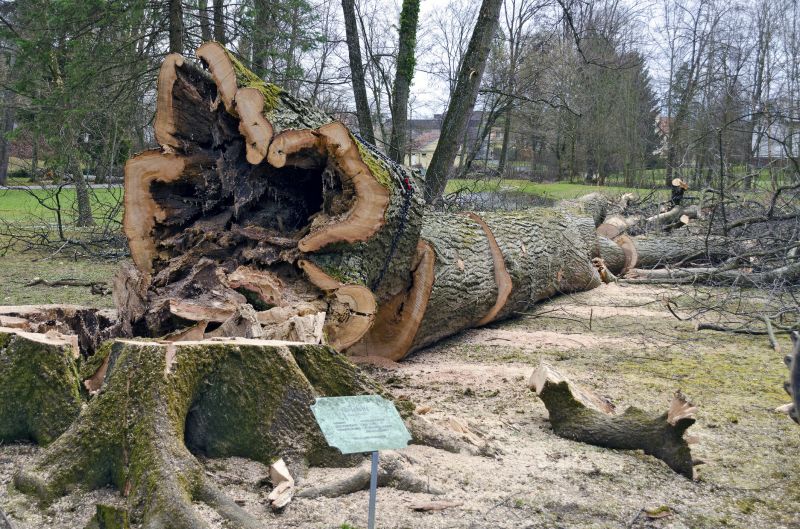
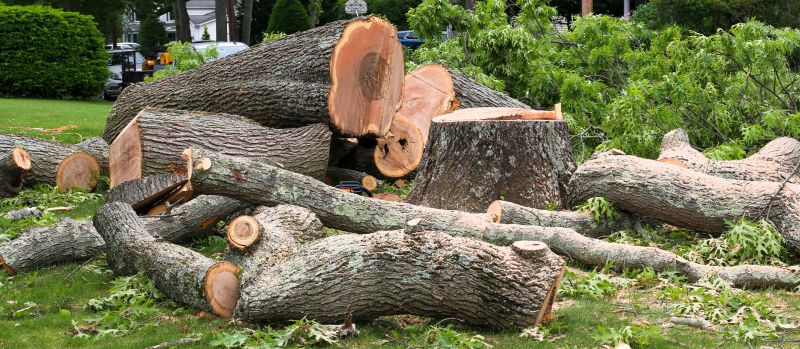
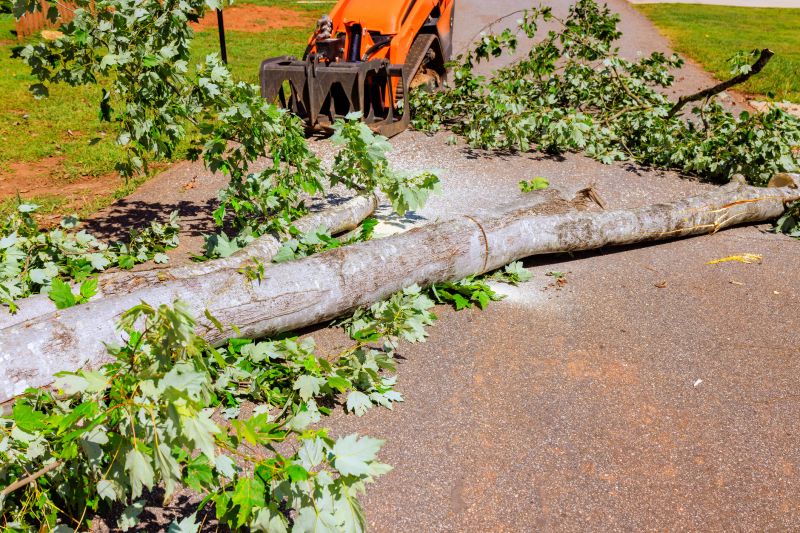
Dead Tree Removal Questions
What is dead tree removal? Dead tree removal involves safely taking down trees that are no longer living or pose a risk to property or safety.
Why should a dead tree be removed? Removing dead trees helps prevent potential damage from falling branches or the tree toppling over.
What types of trees are commonly removed? Commonly removed trees include those that are diseased, damaged, or have become unstable over time.
Is dead tree removal necessary for safety? Yes, removing dead trees reduces the risk of injury or property damage caused by falling branches or the entire tree.
Request Dead Tree Removal in Bucks County, PA
Use the quote form on this page to share the basics of your project and request more information for the type of work you need.